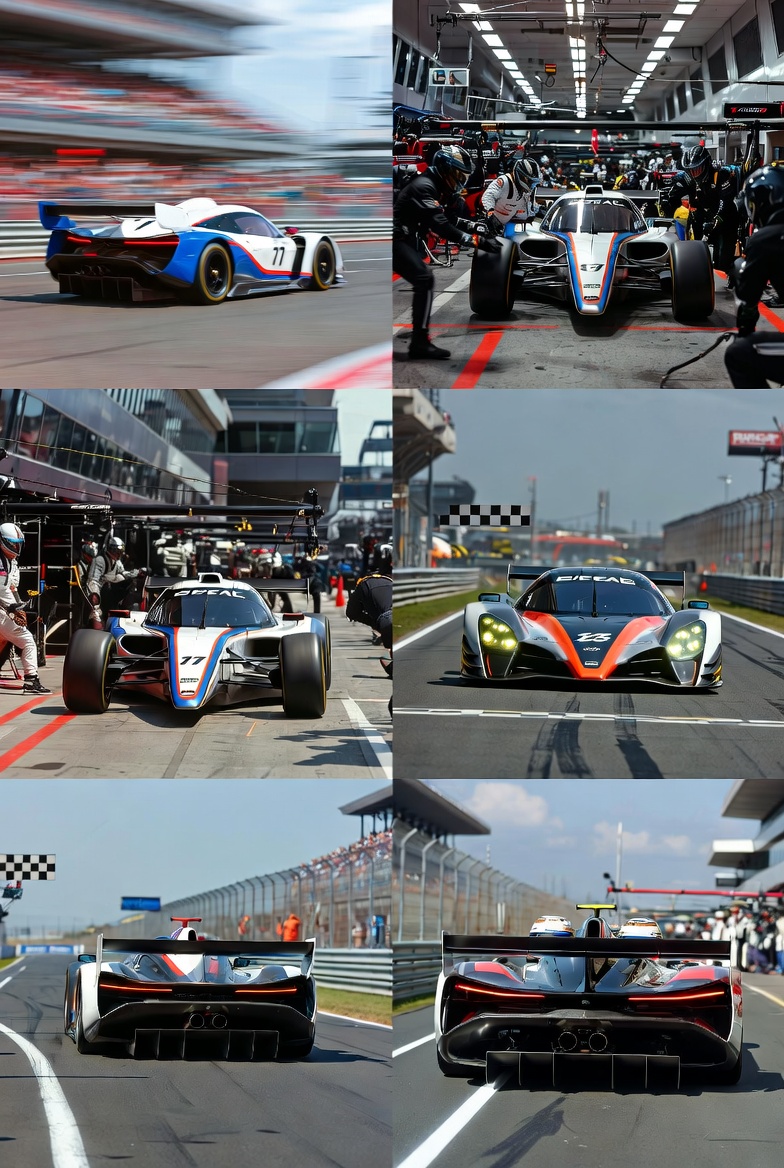
Sports Car Endurance Racing: An Overview
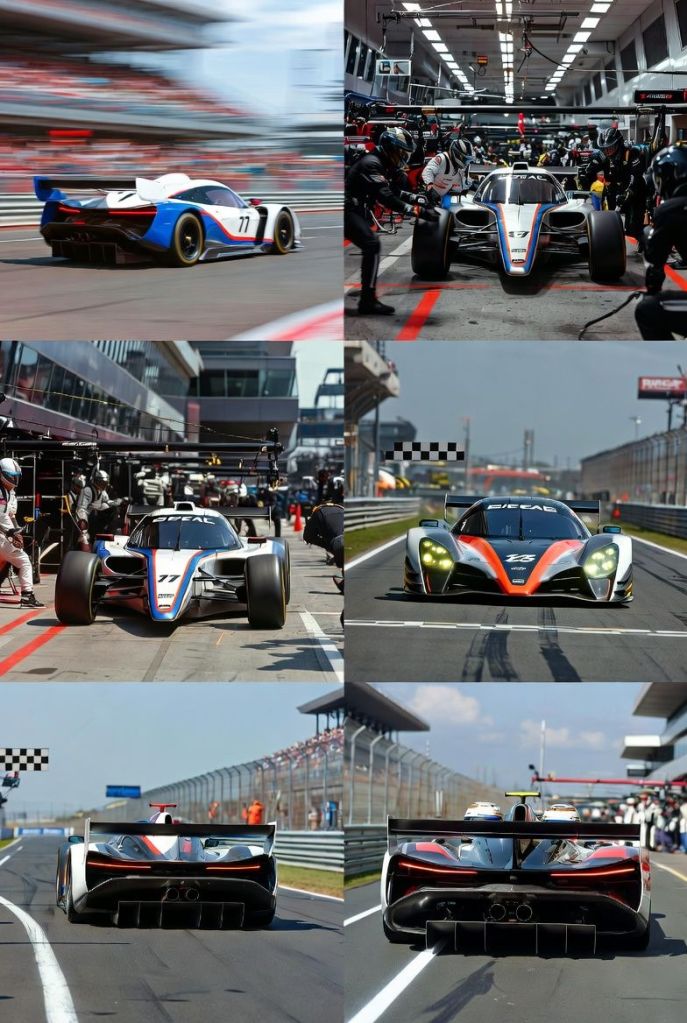
Sports car endurance racing tests the reliability of vehicles, strategy of teams, and stamina of drivers over long distances or extended time periods (typically 6–24 hours). Teams of 2–4 drivers share a car, rotating stints while managing pit stops for fuel, tires, and repairs. Races emphasize consistency, fuel efficiency, and mechanical durability over pure top speed. Multi-class fields are common, with faster prototypes/hypercars battling slower GT cars on the same track, creating exciting overtaking action.

Major Professional Series
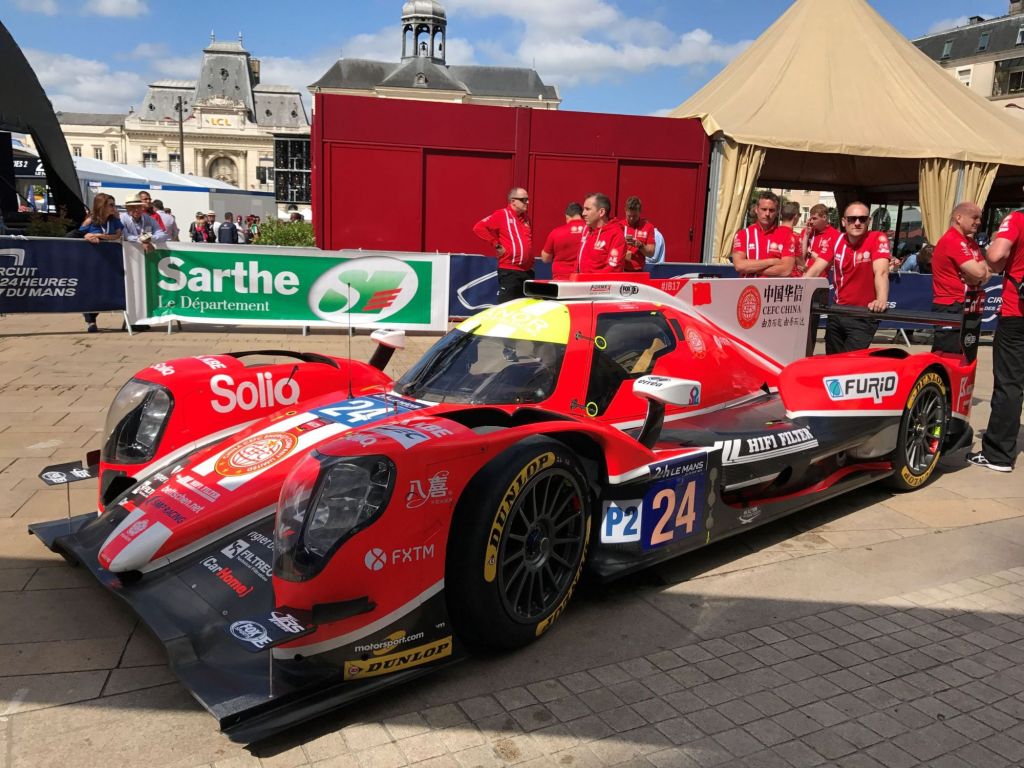
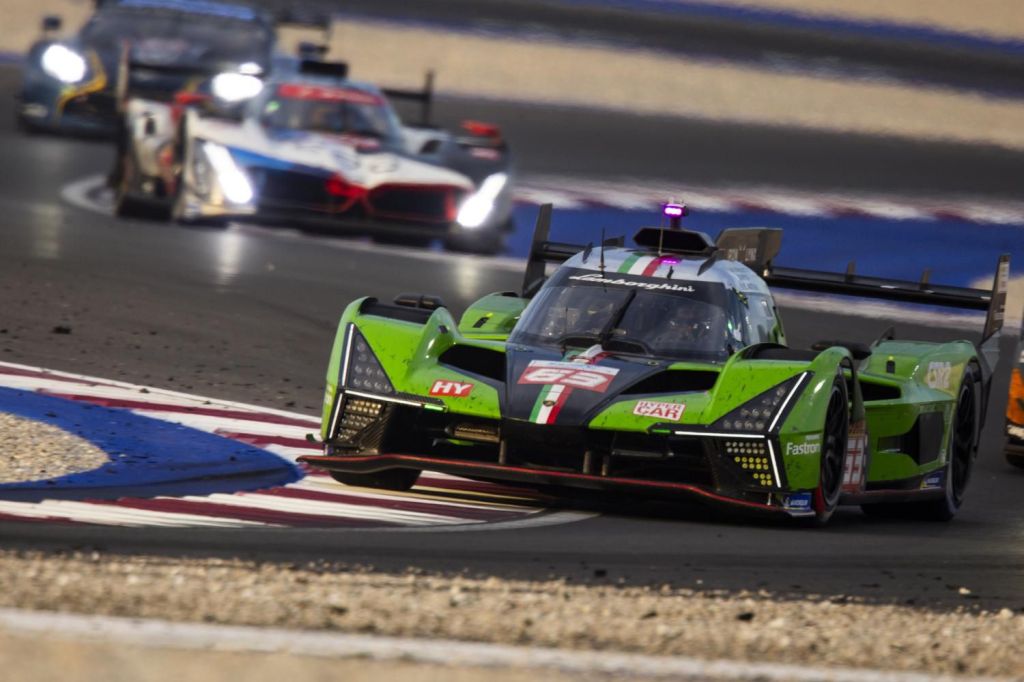
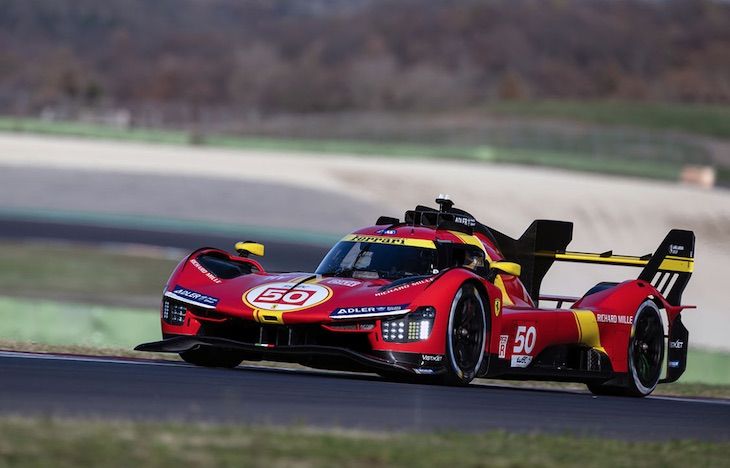
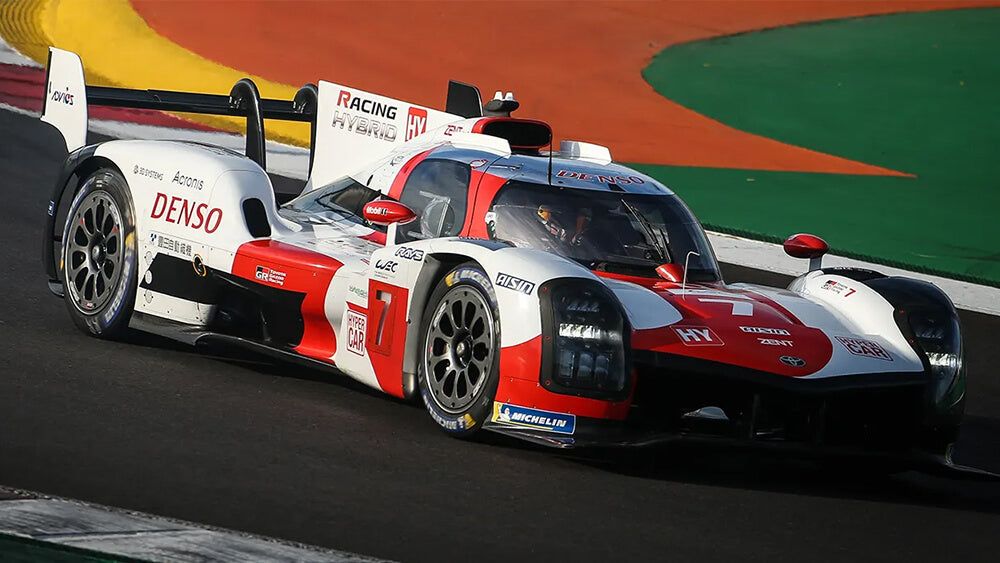
FIA World Endurance Championship (WEC): The premier global series, featuring 6–8 hour races plus the iconic 24 Hours of Le Mans. Top class: Hypercars (manufacturer-built prototypes like Ferrari, Toyota, Porsche, BMW, and newcomers like Hyundai/Genesis in 2026). Lower class: LMGT3 (production-based GT cars). The 2026 calendar includes eight rounds worldwide, with Le Mans as the centerpiece
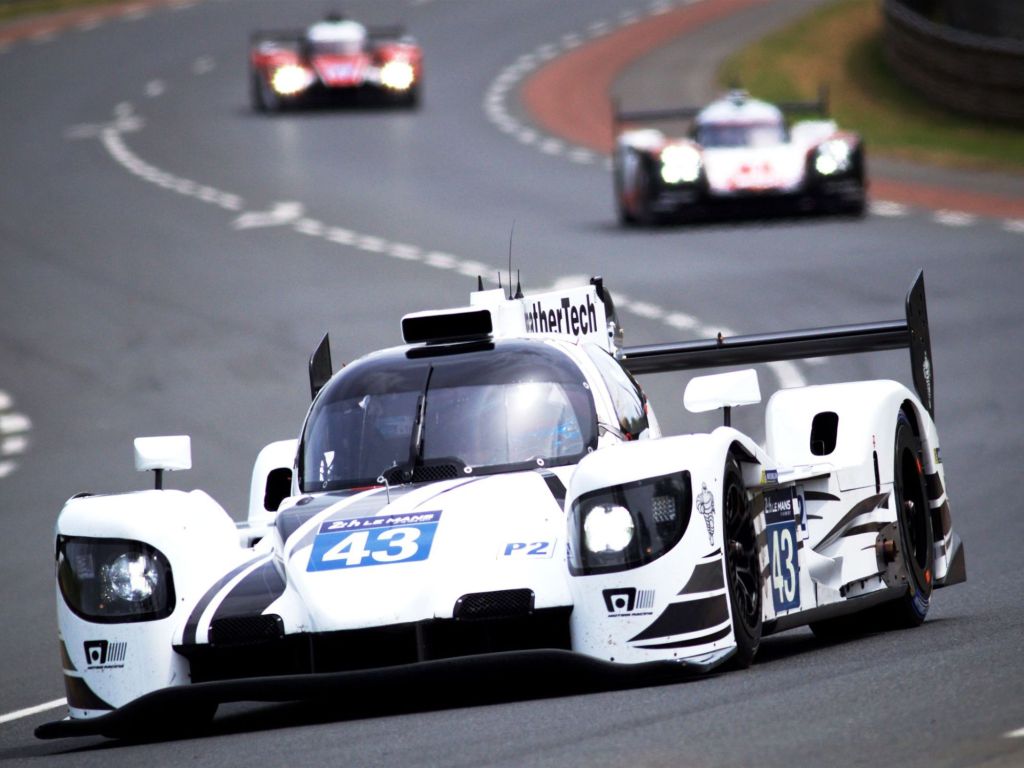
IMSA WeatherTech SportsCar Championship: North America’s top series, mixing sprint races (∼2–3 hours) with endurance events. Top class: GTP (similar hypercar/prototype rules as WEC). Includes GT classes (GTD Pro and GTD). Key endurance rounds form the Michelin Endurance Cup, starting with the Rolex 24 at Daytona.
Other notable series include the European Le Mans Series (ELMS), GT World Challenge Endurance Cup (focused on GT3 cars, with the 24 Hours of Spa as a highlight), and the CREVENTIC 24H Series.
Iconic Races: The “Triple Crown” of Endurance
These three 24-hour events are considered the most prestigious:
24 Hours of Le Mans (France): The ultimate test, held annually since 1923 on a mix of public roads and permanent
12 Hours of Sebring (USA): Known for its bumpy ex-airfield surface; often paired with Daytona in endurance challenges.
 sports and news
Leave a comment