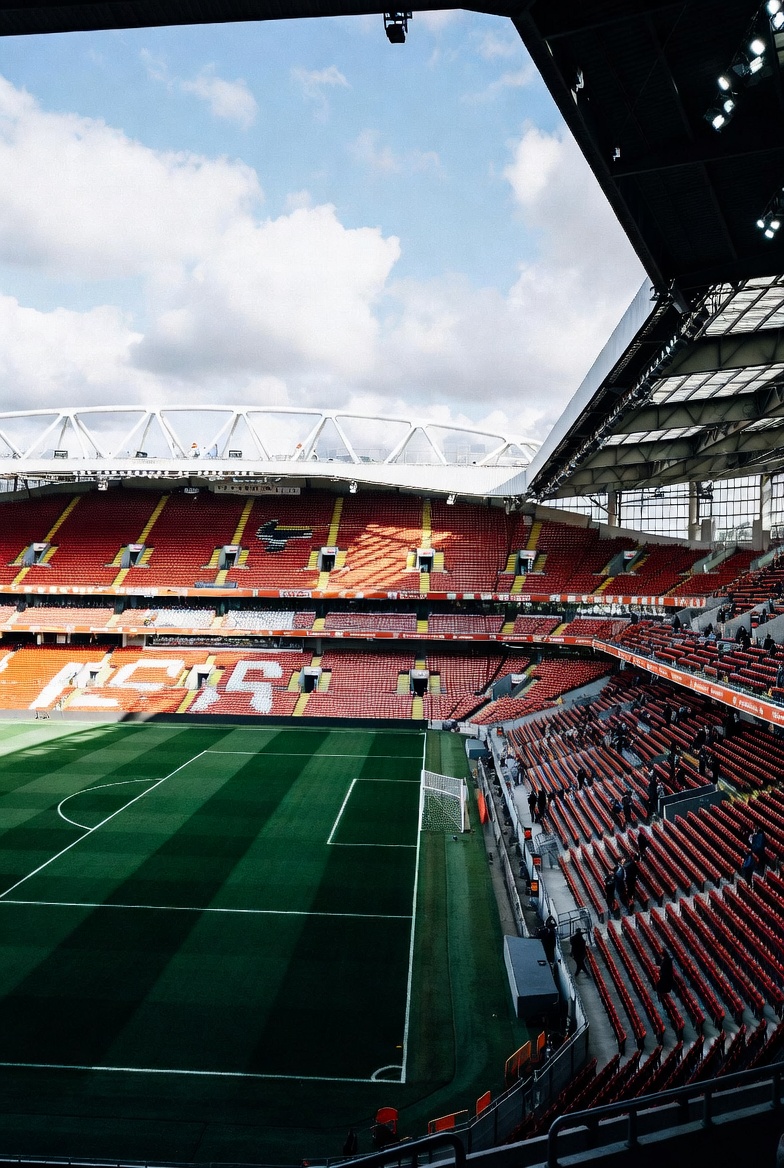
Boxing Day (December 26) has been a cornerstone of English football since 1888, traditionally featuring a full slate of top-flight matches that draw massive crowds and global viewership. However, in 2025, it is indeed the quietest ever in the Premier League era (since 1992), with only one match scheduled: Manchester United vs. Newcastle United at Old Trafford.
The Premier League has cited a combination of factors for this unusual schedule:
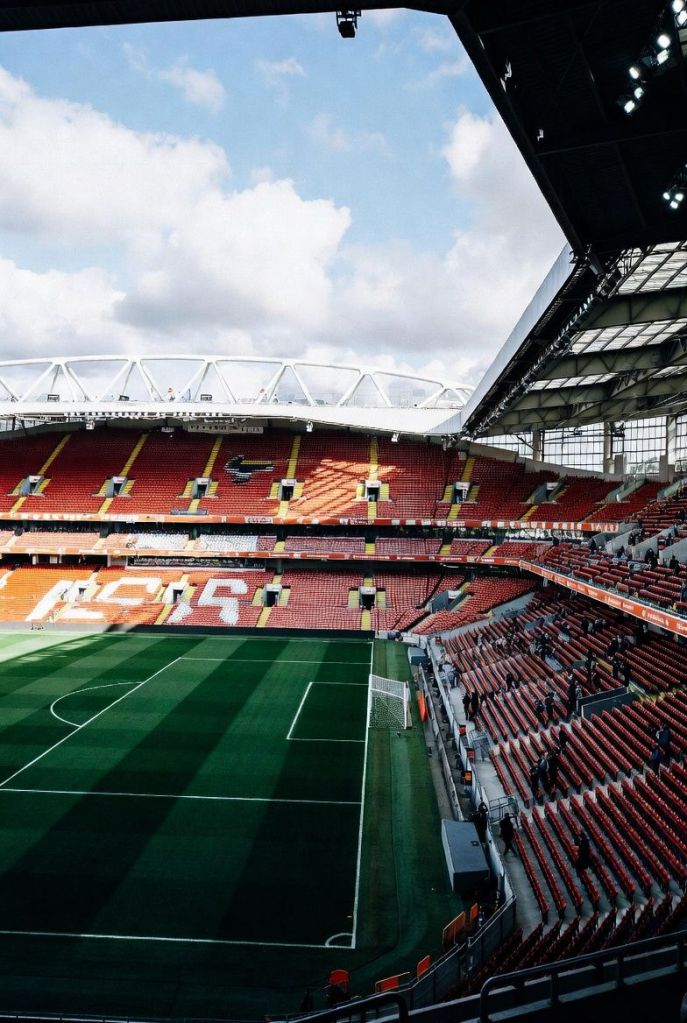
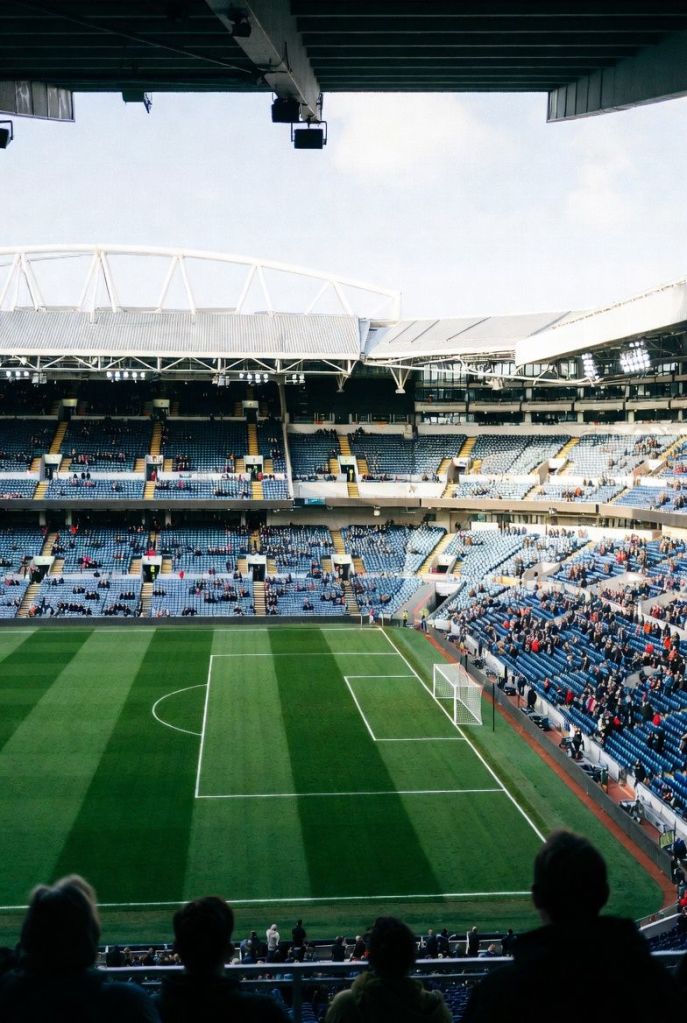
Congested calendar from European competitions — The expansion of the Champions League, Europa League, and Conference League (adding more matches and teams), plus changes to the FA Cup format and the new FIFA Club World Cup, has reduced the number of available weekends. The league now operates as a 33-weekend competition (down from previous seasons) while still playing 380 matches.
Broadcasting contract obligations — The Premier League is contractually required to deliver a high number of matches across traditional weekend slots (Saturdays and Sundays) for TV rights holders. With only limited midweek rounds available, they prioritized spreading Matchweek 18 over the full weekend to fulfill these deals.
Boxing Day falling on a Friday — This allowed organizers to treat December 26–28 as a standard weekend round, moving most games to Saturday (December 27) and Sunday (December 28). This also ensures better player rest—no team plays within 60 hours of another match—and avoids cramming everything into one day.
The league has acknowledged the impact on tradition, stating: “We recognise the circumstances that have led to a reduced Boxing Day programme this season, affecting an important tradition of English football.” They assured fans that more matches will return next season (2026/27), when Boxing Day falls on a Saturday.
In contrast, lower divisions (EFL Championship, League One, League Two, and non-league) are sticking to tradition with full slates on December 26, potentially boosting their attendances as fans seek live football.
This shift has sparked debate among supporters, with some criticizing it as prioritizing TV revenue over cultural heritage, while others note the benefits for player welfare in an increasingly packed schedule.
 sports and news
Leave a comment