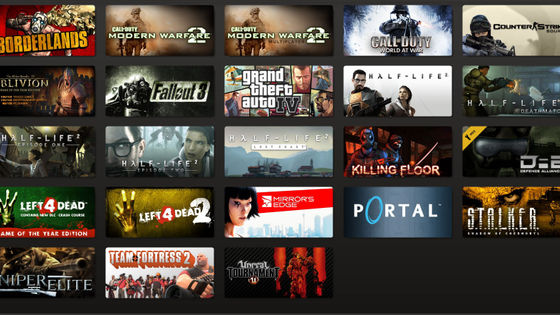
On December 24, 2025, Steam, Valve’s digital gaming platform, experienced a significant outage starting around 1:00 PM ET, impacting users worldwide. The outage affected core services, including the Steam Store, Steam Community, and Steam Web APIs, rendering them inaccessible. Users reported issues such as inability to log in, access the store, connect to servers, or play online games, with over 38,000 reports logged on DownDetector at its peak. The outage also disrupted APIs for Valve’s multiplayer games like Team Fortress 2, Dota 2, and Counter-Strike 2, causing matchmaking and online functionality to fail. The Steam mobile apps were similarly affected.
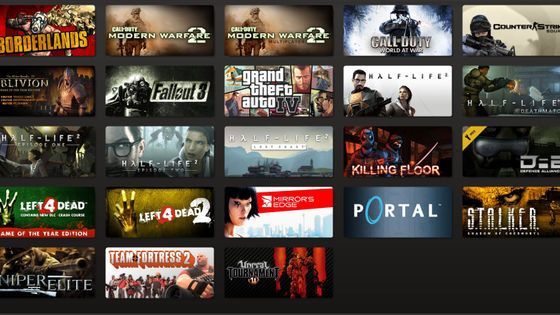
The issue, often accompanied by an E502 L3 “Bad Gateway” error, was likely caused by overloaded servers or content delivery network (CDN) failures, exacerbated by high traffic during the Steam Winter Sale and holiday season. By 4:00 PM ET, services began recovering, and by 6:00 PM ET, Steam was largely operational again on PC, Mac, and mobile, though some users experienced intermittent errors and sluggish performance. Some Valve games remained partially functional or down, per SteamDB’s unofficial status page. Valve did not publicly comment on the outage
Speculation on platforms like Reddit pointed to possible causes, including a CDN issue (with AWS and Akamai mentioned, though AWS denied responsibility) or high user demand. While offline modes allowed access to pre-installed games, cloud-based saves and online features were unreliable during the outage. This was Steam’s third major disruption in a week, following outages on December 15 and 16, and a briefer one in October.
As of December 25, 2025, the Steam outage that began on December 24 has largely been resolved, but some lingering issues and context are worth noting for a deeper understanding. Below is a detailed description of the event, its impact on Steam and Valve’s online games, and the broader context, incorporating the latest information.
During the outage, users faced significant frustration, with social media posts on X and Reddit highlighting the poor timing. Many couldn’t access their libraries, buy games, or play online, with comments like, “Steam down the second I was going to buy things” or jokes about Valve forcing gamers to “spend time with family.”
Workarounds included:
Offline Mode: Users could switch to Steam’s offline mode (Steam > Go Offline) to play single-player games like Elden Ring without an internet connection. This was effective for pre-installed games but didn’t help with cloud saves or online features.
Impact on Valve’s Online Games
Valve’s multiplayer games were hit particularly hard due to their dependency on Steam’s Web APIs and servers:
Counter-Strike 2 (CS2): Matchmaking was down, preventing players from joining competitive or casual games. In-game skins, a core part of the economy, were inaccessible, and trading was halted.
Dota 2: Players faced queue failures and disruptions in ranked matches, with the API status listed as “Offline” during the outage’s peak.
Team Fortress 2 (TF2): Community servers went offline, and item trading, a significant feature, was suspended.
Other Titles: While single-player games could be played in Steam’s offline mode, any game requiring online connectivity (e.g., Elden Ring’s co-op or Apex Legends’ matchmaking) was affected. Some users reported slow game launches even in offline mode.
The outage’s timing was particularly disruptive, coinciding with Christmas Eve, a peak period for gaming as users redeemed gift cards, purchased discounted titles during the Winter Sale, or played during holiday breaks.
Technical Details and Speculated Causes
The E502 L3 error pointed to a “Bad Gateway” issue, typically caused by:
Server Overload: The Winter Sale, launched on December 19, drew record traffic, with millions of users accessing the platform simultaneously. Steam’s infrastructure, despite handling 41.6 million concurrent users in October 2025, may have been overwhelmed.
Content Delivery Network (CDN) Issues: Speculation on Reddit and other platforms suggested a CDN failure, with Amazon Web Services (AWS) and Akamai named as potential culprits. AWS issued a statement denying responsibility, while Akamai remained silent.
User Experience and Workarounds
During the outage, users faced significant frustration, with social media posts on X and Reddit highlighting the poor timing. Many couldn’t access their libraries, buy games, or play online, with comments like, “Steam down the second I was going to buy things” or jokes about Valve forcing gamers to “spend time with family.”
Workarounds included:
Offline Mode: Users could switch to Steam’s offline mode (Steam > Go Offline) to play single-player games like Elden Ring without an internet connection. This was effective for pre-installed games but didn’t help with cloud saves or online features.
Clearing Cache: Clearing the download cache (Steam Settings > Downloads > Clear Download Cache) resolved local issues for some but was ineffective against server-side problems.
Clearing Cache: Clearing the download cache (Steam Settings > Downloads > Clear Download Cache) resolved local issues for some but was ineffective against server-side problems.
DNS Swaps: Changing to a public DNS (e.g., Google’s 8.8.8.8) was suggested but rarely worked during the global outage.
Monitoring Status: Users relied on Downdetector and SteamDB for real-time updates, with Steam Status pageviews spiking to 397,000 during the outage.
Broader Context and Valve’s Response
This outage was Steam’s third major disruption in December 2025, following issues on December 15 and 16, which affected community features and game libraries. An earlier outage in October lasted about an hour, and September’s Hollow Knight: Silksong launch briefly crashed multiple platforms. The repeated incidents raised concerns about Steam’s infrastructure resilience, especially during high-traffic holiday periods.
Valve remained silent throughout the outage, with no official statements on X, Bluesky, or their website. This lack of communication frustrated users, though some Reddit posts urged empathy, noting that Valve employees likely had to work through the holiday to resolve the issue. Valve historically rarely offers compensation for outages, but users were advised to monitor @Steam for potential apologies or free items.
Impact on the Gaming Ecosystem
The outage’s ripple effects extended beyond Steam:
Recommendations for Users
To mitigate future outages:
Enable Offline Mode: Pre-configure Steam for offline play to access single-player games during disruptions.
Download Games Early: Install games before peak holiday periods to avoid reliance on servers.
Monitor Status: Bookmark Downdetector or SteamDB for real-time outage tracking.
Explore Alternatives: Consider platforms like GOG for DRM-free games playable offline.
Conclusion
The December 24, 2025, Steam outage was a significant disruption, impacting millions of users and Valve’s multiplayer games during a critical holiday period. While services were largely restored by December 25, the event highlighted vulnerabilities in Steam’s infrastructure under high demand. Valve’s silence and the lack of confirmed causes (server overload, CDN issues, or potential DDoS) left users speculating, but the platform’s recovery allowed most gamers to resume their holiday sessions. For the latest updates, users can check Downdetector or SteamDB, as Valve’s official channels remain quiet.
 sports and news
Leave a comment